

暑期社会实践 | 中外学子共话成长与温暖 Summer Social Practice | Students from China and Abroad Discuss Growth and Warmth Together
为倾听留学生心声,破解汉语学习难题,助力我校留学生更好融入在常生活,7月初,“青韵中外文化互鉴团”暖心举办“汉语学习与生活适应”主题座谈会。结对的中外学子围坐一堂,在轻松开放的氛围中坦诚交流、暖心互助,于对话中化解困惑,在沟通中增进情谊。
To listen to the voices of international students, address difficulties they face in learning Chinese, and help them better integrate into daily life at our university, at the beginning of July, the “Qingyun Sino-Foreign Cultural Exchange Group” held a symposium on “Chinese Learning and Adaptation to Daily Life”. Students from China and abroad sat together, engaging in honest exchanges and mutual support in a relaxed and open atmosphere. Through dialogue, they resolved their doubts and strengthened their friendships.
本次座谈会以自由交流为主,不设固定流程、不设发言门槛,鼓励留学生大胆说出学习与生活中的真实困扰。团队跳出“单向输出”的传统模式,以倾听为起点,站在留学生视角精准捕捉需求,让后续实践服务更接地气、更贴人心。
This symposium focused on free communication. There were no fixed procedures or barriers to speaking. International students were encouraged to share their real difficulties in studying and daily life. The team broke away from the traditional “one-way communication” approach. By starting with active listening and understanding the needs from the international students’ perspective, the team was able to provide more practical and relevant services. 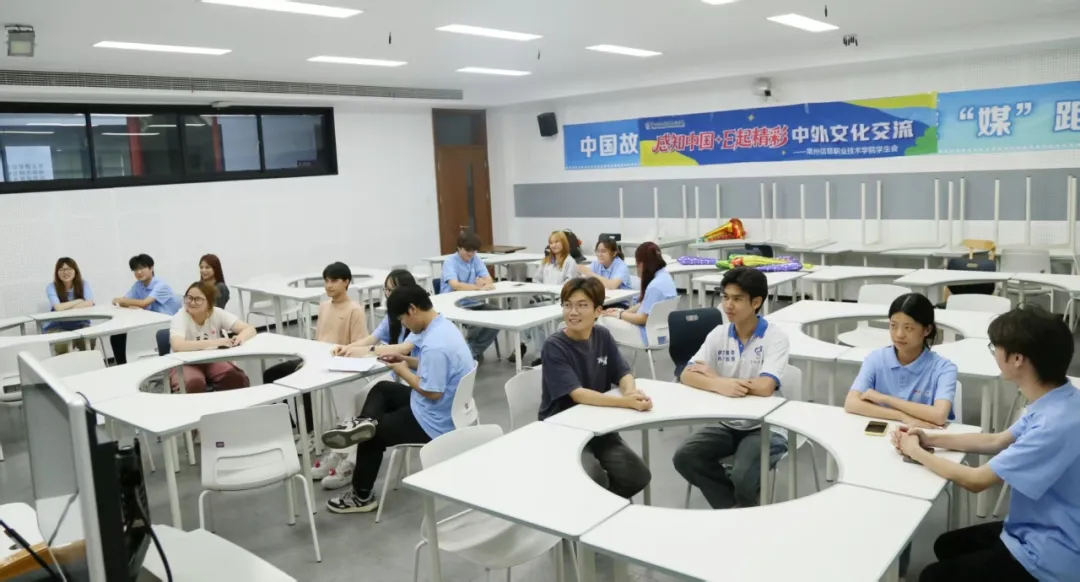
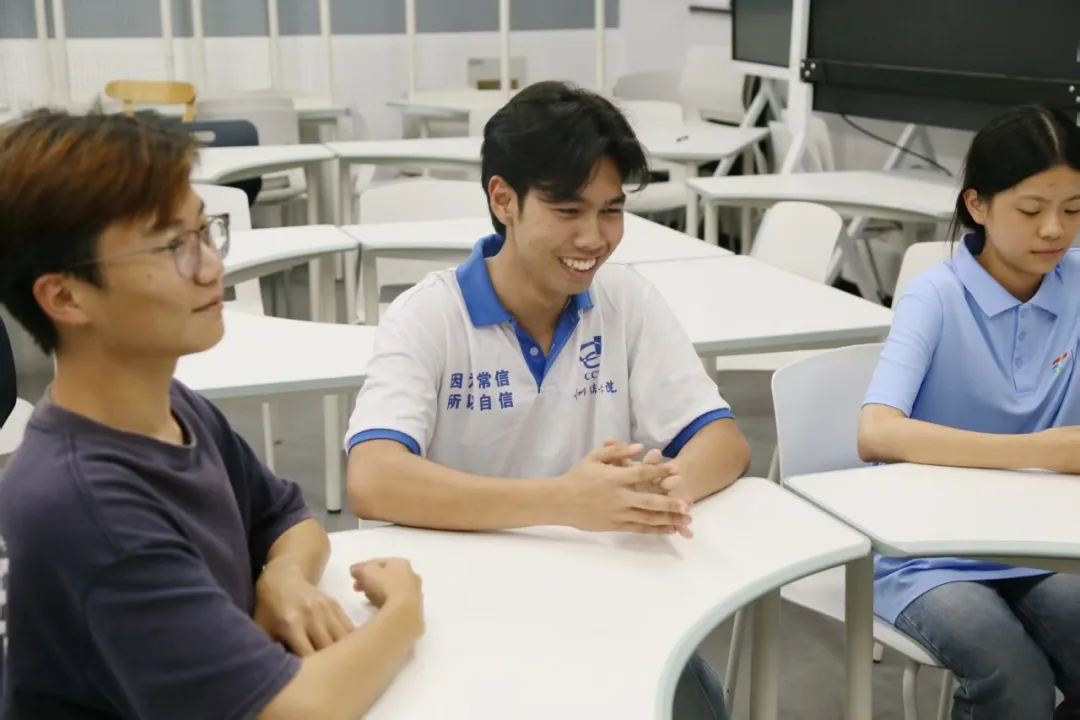
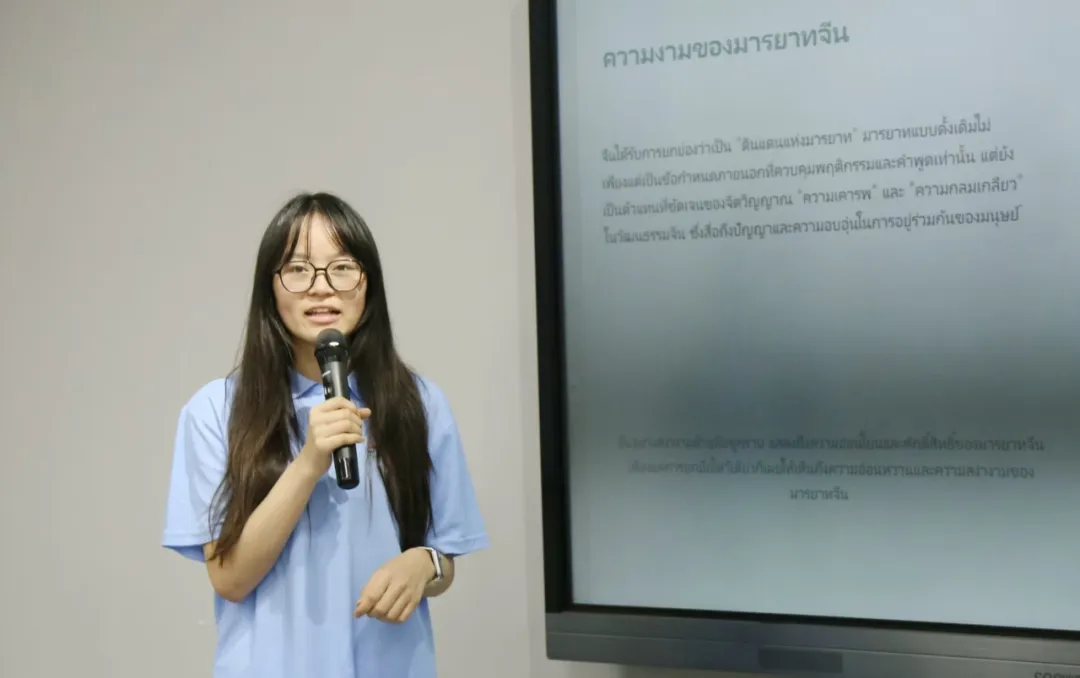
交流现场,汉语学习成为最热话题。留学生们纷纷分享学习痛点:声调难辨、平翘舌与前后鼻音发音吃力是普遍难题;泰国留学生王骁游坦言,汉字笔画多、同音字繁杂,记忆和书写难度大,受母语语序影响,开口说汉语更是 “心里慌”;留学生刘丽丽则表示,课堂知识偏书面,日常购物、出行等实用口语储备不足,希望多学接地气的生活汉语。
At the event, learning Chinese became the hottest topic of discussion. International students shared their difficulties with learning the language: distinguishing tones, as well as pronouncing words with curled and flat tongues and front and back nasal sounds, were common challenges. Wang Xiaoyou, a Thai student, said that Chinese characters have many strokes and many homophones, making them difficult to remember and write. Additionally, due to the differences in sentence structure between Chinese and her native language, speaking Chinese made her feel nervous. Liu Lili, another student, noted that classroom learning focuses more on written language, leaving her lacking practical spoken skills needed for daily tasks like shopping and traveling. She hoped to learn more colloquial Chinese that’s used in everyday life.
针对这些困惑,结对的中国学子耐心支招、现场教学:分享声调记忆技巧、一对一纠正发音,传授汉字拆分、联想记忆小妙招;鼓励大家大胆开口,强调 “沟通比完美更重要”,并约定后续全程多用汉语交流,打造沉浸式练习场景。针对实用汉语需求,团队现场承诺,将在实地探访中融入场景化短句教学,让大家边逛边学、学以致用。
To address these challenges, the Chinese students paired up with them to provide patient guidance and on-site instruction. They shared tips for memorizing tones, corrected pronunciations one-on-one, and taught useful techniques for breaking down Chinese characters into components and using associations to aid memory. They encouraged everyone to speak up boldly, emphasizing that “communication is more important than perfection.” They also agreed to use Chinese throughout the rest of the interaction, creating an immersive learning environment. To meet practical Chinese language needs, the team promised to incorporate situational sentences into their lessons during field trips, allowing learners to learn while exploring and put what they learned into practice.
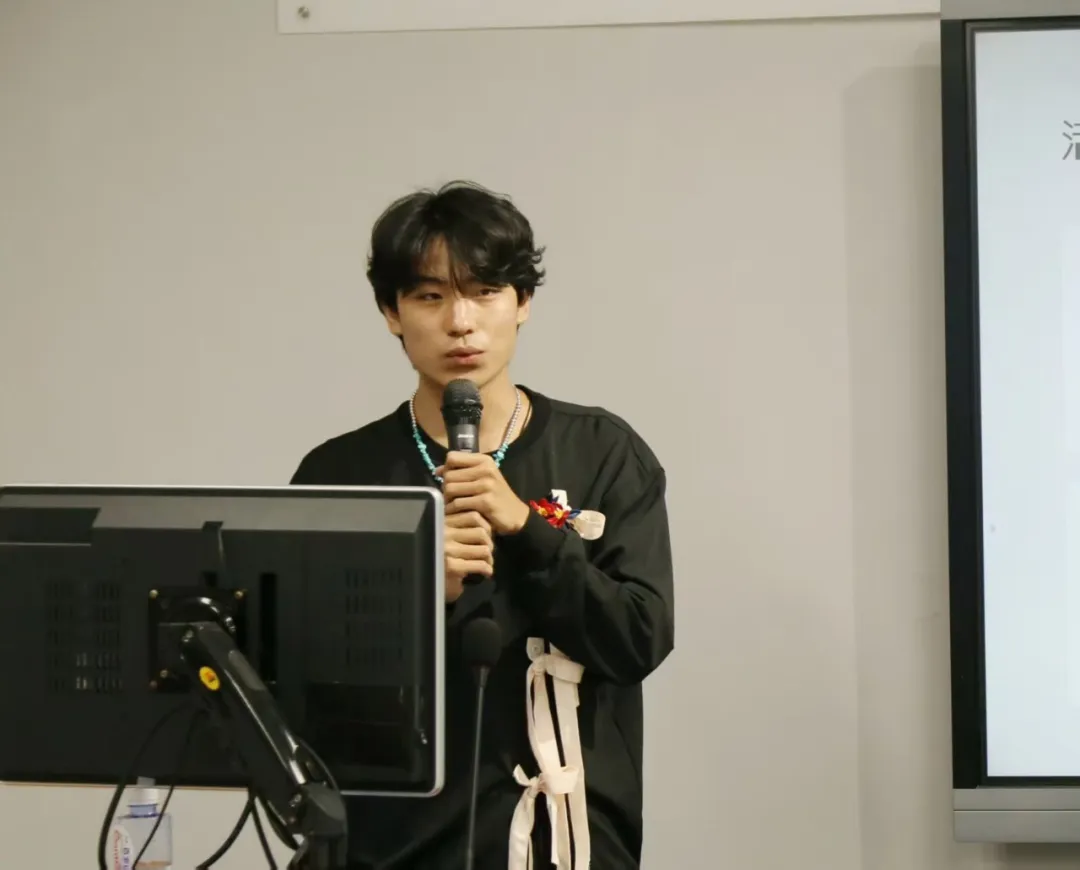
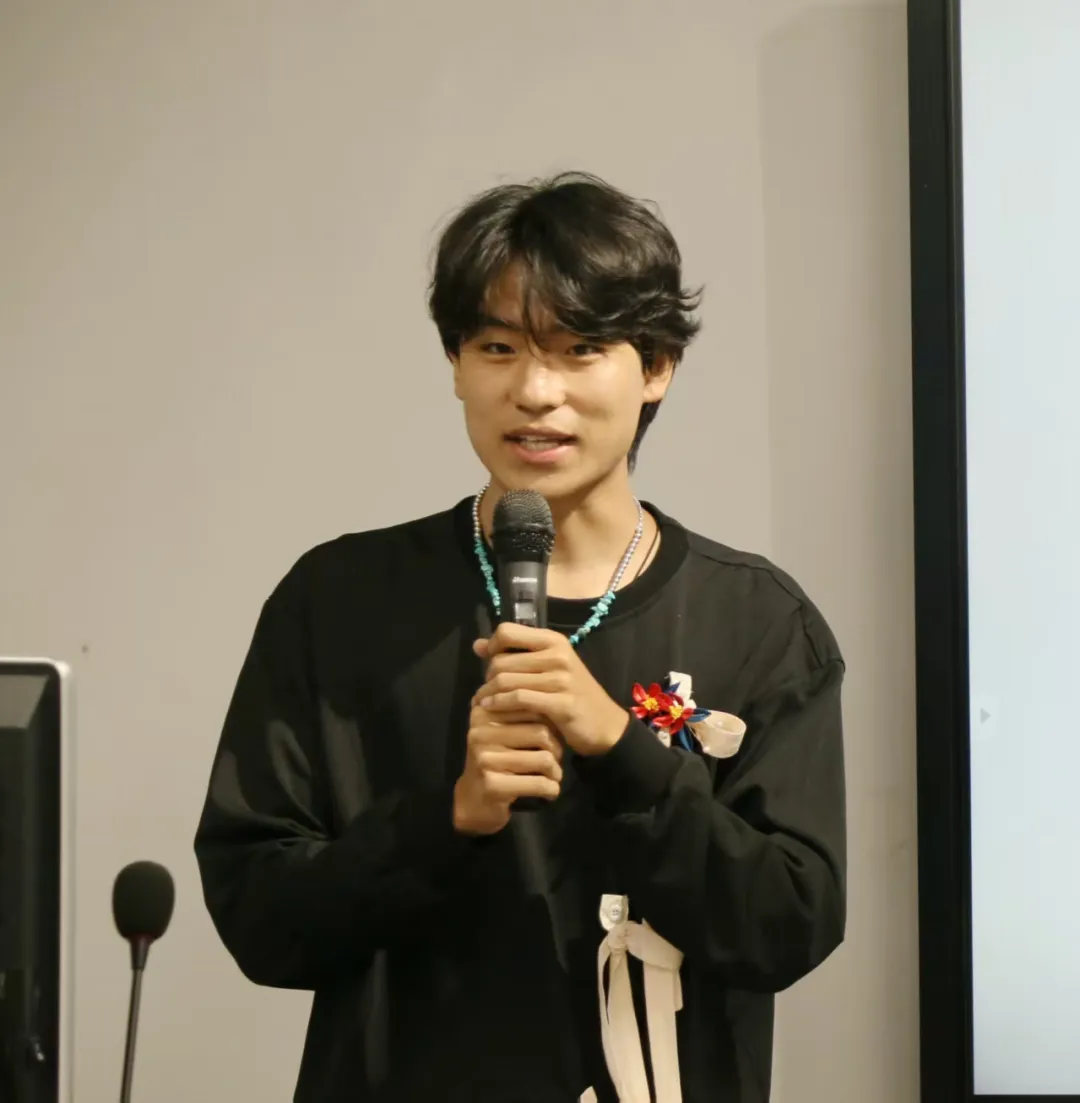
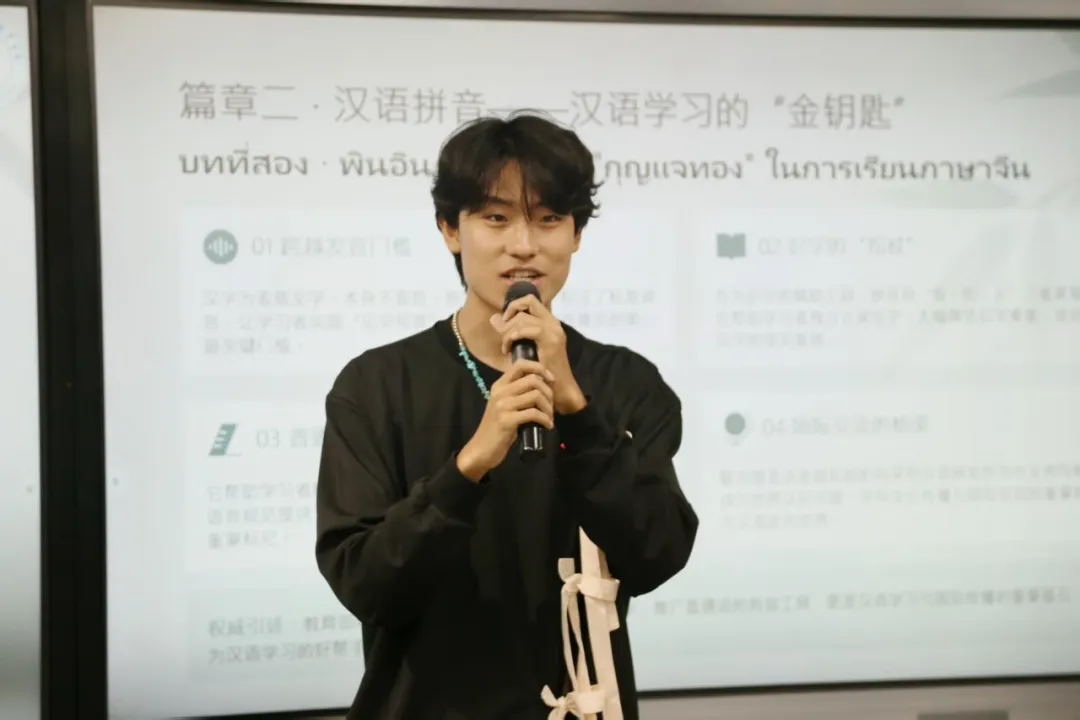
生活适配问题也成为交流重点。公交地铁出行、手机支付与外卖操作、本土社交礼仪…… 这些日常小事,都是留学生们的“小烦恼”。中国学子逐一细致解答,介绍校园周边生活设施、演示常用软件操作、讲解基础社交礼仪,一句“有困难随时找结对小伙伴”,让现场暖意满满。
Adapting to daily life also became a focus of the discussion. Using public transportation and subways, making mobile payments and ordering food for delivery, understanding local social etiquette—all these everyday tasks posed challenges for international students. Chinese students patiently answered questions, showed how to use common apps, and explained basic social norms. Their words, “Feel free to ask your partner for help whenever you need it,” created a warm atmosphere at the event.
这场交流从来不是“单向帮助”,而是双向奔赴的文化互鉴。留学生们主动分享本国语言特色、传统节日与生活习俗,中国学子认真倾听、积极互动,在欢声笑语中感受多元文化的独特魅力。
This exchange is never about “one-way assistance,” but rather a two-way cultural exchange. International students actively share the characteristics of their native languages, traditional festivals, and customs. Chinese students listen attentively and engage actively, experiencing the unique charm of diverse cultures amidst laughter and joy.
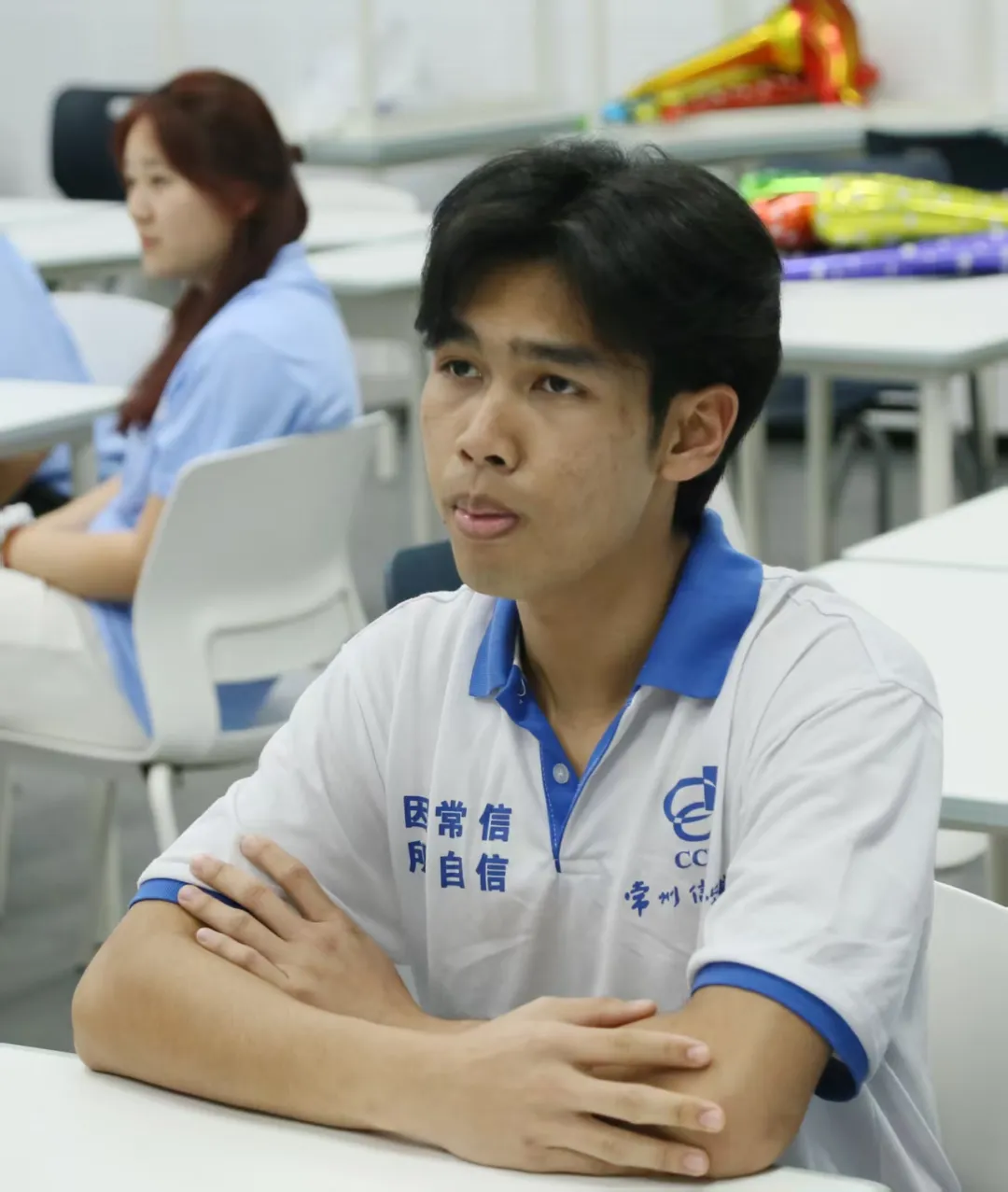
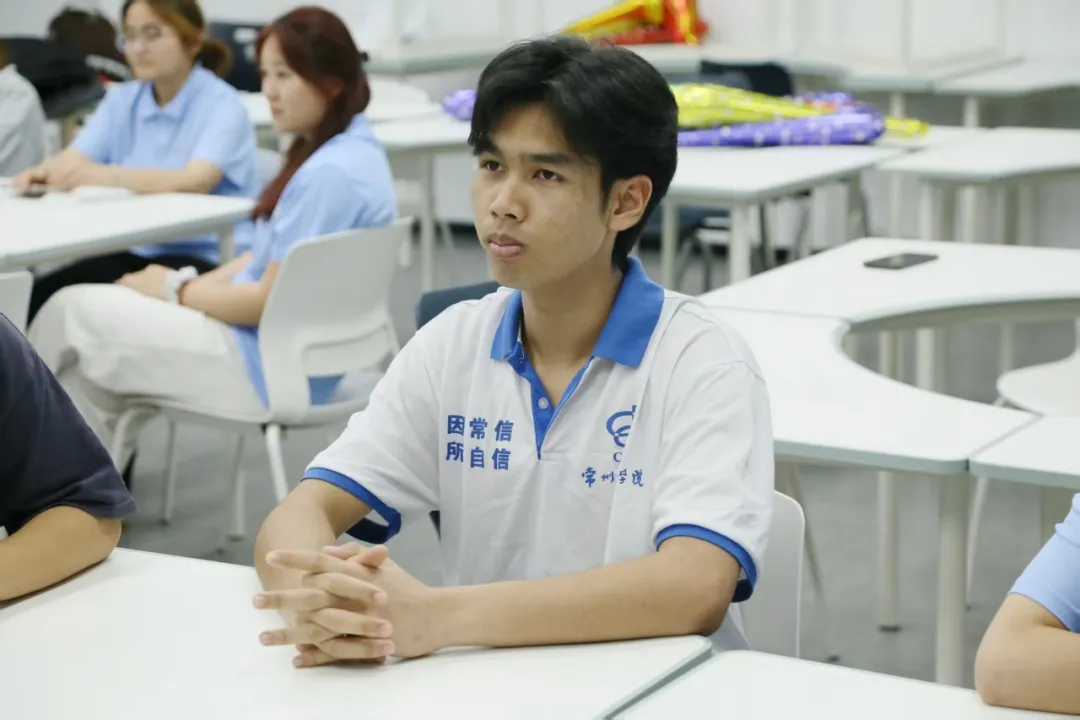
此次座谈会搭建起真诚平等的沟通桥梁,既切实解决了留学生学习生活的实际问题,也让中国队员更懂跨文化交流的需求与温度。未来,“青韵中外文化互鉴团” 将把暖心建议落到实处,让实践活动更有针对性、更具人情味,以语言为纽带,以青春为桥梁,书写中外学子互学互鉴、携手成长的温暖篇章。
This symposium established a bridge of sincere and equal communication. It not only effectively addressed the practical challenges faced by international students in their studies and daily lives, but also helped Chinese participants better understand the needs and nuances of cross-cultural communication. In the future, the “Youth Exchange and Cultural Learning Group” will put forward practical suggestions to make these activities more targeted and meaningful. By using language as a link and youth as a bridge, we can create a warm narrative of mutual learning and growth between students from China and abroad.